
Checklist Alpine holidays: What you should definitely think about to enjoy the mountains to the fullest
Holidays in the Alps are popular at any time of the year. In summer, families and nature lovers in particular appreciate the opportunity to hike long distances and enjoy nature. In winter, the mountains often attract with a good snow cover, so that the slopes can be fully enjoyed. In addition, there is the fun in the hut. But how should an Alpine holiday be properly prepared?
1. Select Goals
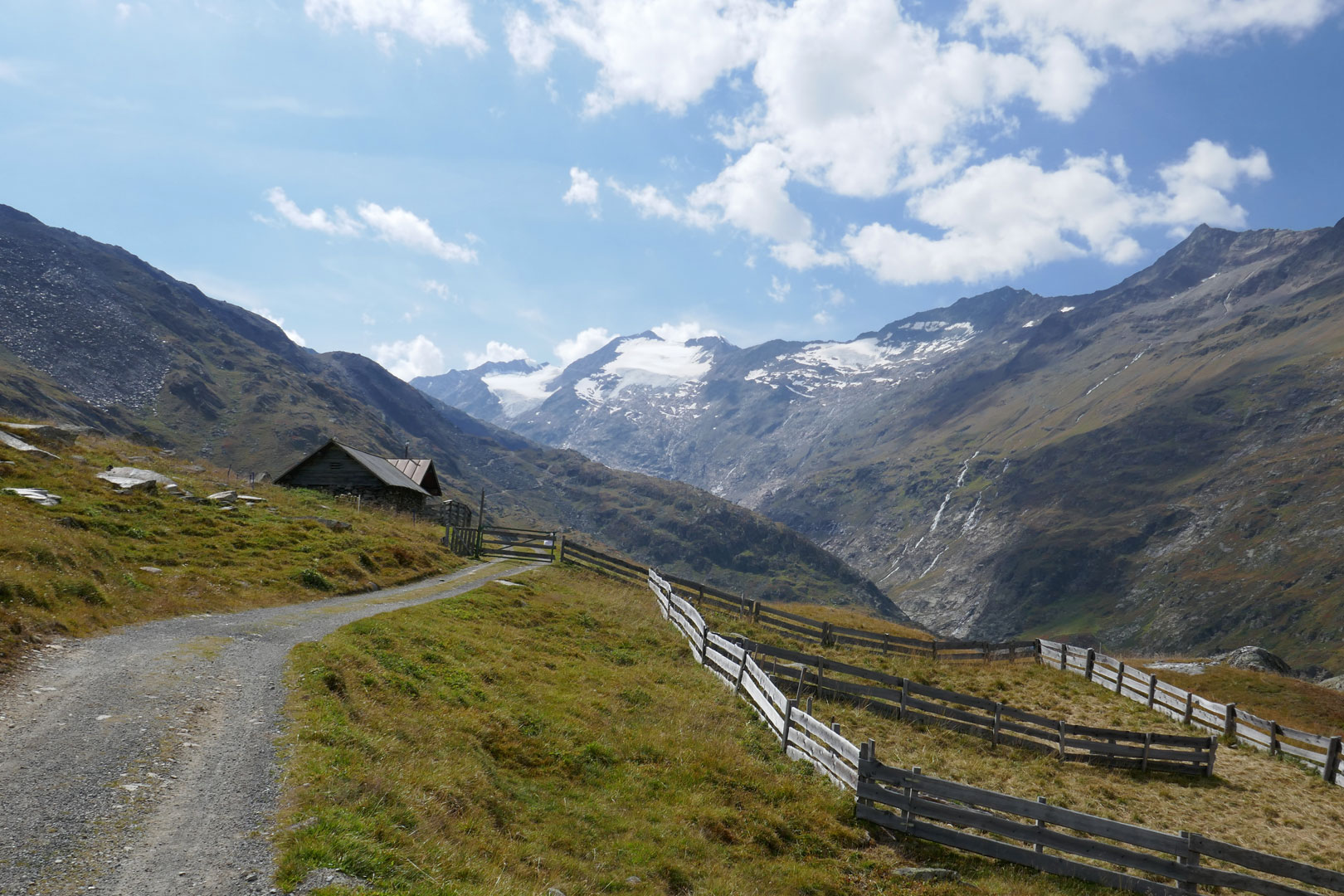
The Alpine region has beautiful areas that stretch across four countries. Holidaymakers must therefore think in advance about whether they want to stay in Austria or whether Switzerland, Italy or Germany offer the right domiciles. However, the boundaries are often blurred, especially when it comes to winter sports, as many ski resorts go beyond the borders. But what examples are there in general?
- Alpe di Siusi – located in South Tyrol, i.e. Italy, the Alpe di Siusi offers a perfect starting point at any time of the year. The largest high alpine pasture in Europe has a special feature, because the Dolomites are right on site. While winter sports are enthroned high up in the mountains in winter, nature lovers and hikers can go on long hikes in the lower areas in early spring and watch nature wake up from hibernation.
- Graubünden/Switzerland - Mountain villages, culture and nature - these are all sides of the holiday resort. In winter, more than forty ski resorts of the Karton await tourists, in summer holidaymakers can go on long hikes in the healthy mountain air. Of course, the cultural area is not missing.
- Vorarlberg/Austria - six regions make up Vorarlberg. They all offer their own advantages and thus guarantee holidaymakers a lot of variety. In summer with children, the region around Lake Constance is almost perfect. Holidaymakers, on the other hand, can take a real mountain holiday in Kleinwalsertal.
- Bavarian Alps - Germany also offers an Alpine holiday. Whether directly in the foothills of the Alps with an easy connection to Traunstein, Rosenheim or Munich, or whether it is rather high on the mountain in Garmisch-Partenkirchen: not only the possibilities are versatile, but also the experiences.
It is important to deal with the accommodation ahead of time. Especially in the popular regions, the accommodations are sometimes limited and quickly booked up. However, holidaymakers have a free choice of the type of hotels and accommodations. Wellness hotels are just as waiting for new guests as rustic mountain huts or bicycle hotels.
2. Clarify financing
Every holiday stands and falls with the financing. Of course, the best solution is to already have the money on the side and thus be able to pay for the entire trip without any problems. For many people, however, the money is no longer so loose that they can pay for their vacation out of petty cash. In this case, financing via a holiday loan can be worthwhile. However, there are some points to consider:
- Term – a holiday loan should run for a maximum of twelve months, shorter terms are better. The reason is simple: The loan should be paid off at the start of the trip, but no later than the next vacation.
- Amount - the holiday loan should be as low as possible so that it can be paid off within a short time.
- Manageability – the monthly installments must be able to be paid. Holidaymakers have to think two-pronged at this point, because in addition to the instalment, they should also be able to set aside holiday pay. The holiday bonus can be waived if the last instalment is made before the start of the holiday and thus new money is available.
There are hardly any objections to holiday financing if it only serves to bridge the gap in the short term. For example, if you want to take advantage of the summer or winter offers and know exactly that the Christmas bonus will be paid out at time X, which in turn covers a large part of the holiday costs, you can take out the loan relatively without hesitation.
In any case, however, it is important to keep the cost of the loan as low as possible. For this reason, consumers should take a look at the offers for a personal loan in comparison. In this way, the conditions on the market can be sounded out in order to conclude a suitable holiday loan at the lowest possible interest rates.
3. Baggage planning
The luggage is based on the type of holiday you are planning. On alpine holidays, holidaymakers usually have significantly more luggage than on a pure beach holiday. This can already be explained by the type of clothing required. There are a few things to consider when it comes to luggage:
- Hiking boots – hiking boots may never be purchased fresh before the holiday and taken on holiday unworn. No matter how comfortable the shoes may have been in the shop, if they are not broken in, pressure points will immediately set in during the hike. A second pair is also useful.
- All-weather clothing – Austrians know it: The weather in the Alps can change quickly. If you want to spend your holiday outside, you absolutely need clothing for all weathers. Children in particular must be well dressed.
- Remember rainy days – even in summer there can be rainy days. If there are children with you, the clothing must now adapt to the weather, because the little ones like to romp outside even in heavy rain.
One factor around luggage planning is also described by the type of journey. With the car, this is basically only a minor problem, because there is enough luggage in the vehicle and winter sports equipment can be stored in the roof luggage. Even bikes are easily transported. The journey by train, on the other hand, can already be arduous.
4. Activity planning
Hikers take many sights with them almost automatically on their hikes. Nevertheless, there are of course some highlights that are off the beaten track and that can be visited in a targeted manner. But what applies to planning?
- Listing – appropriate excursion destinations should be found for each fellow traveler. This is important, because everyone has to get a chance. It is good to also sort the excursion destinations according to the weather: Which destinations are particularly suitable on rainy days, which are ideal on hot days?
- Planning – not all excursion destinations can be visited at your discretion. Sometimes maps or tours have to be booked. Now it is important to find out in good time whether tickets can be booked in advance or whether it is sufficient to take a ticket on site.
- Children's fun – are there special offers for children and teenagers on site? Several holiday regions work with children's passes or holiday passes. In this regard, too, it is advisable to inform yourself in advance.
A big mistake when planning a vacation is to fill up the activity list too much. The holiday should not degenerate into stress. It is also important to bundle excursion destinations or sights geographically. This saves time and ultimately also travel costs.
5. Insurance
Last comes personal protection. Certainly, the insurance policies that can be available for crisis areas or world trips are not necessary in the Alpine region, but sometimes the additional protection is worthwhile:
- Accident insurance – it can be worthwhile in the Alps, especially if mountain hikes are carried out or the winter sports areas are used. However, there are a few things to consider when it comes to accident insurance to ensure that the desired activity is correctly covered. For example, it does not help to take out insurance that then does not pay in the event of a mountain accident because mountain risk sports are excluded in the small print.
- Health insurance – the Alpine holidays are covered by the insurances. Nevertheless, additional insurance can sometimes be worthwhile if the trip goes abroad or if you go high up in the mountains. The following applies: Are mountain rescues included in the scope of insurance? A broken leg on the mountain happened quickly and the rescue must now be guaranteed.
- Occupational disability – sometimes this insurance can be worthwhile. However, everyone has to find out for themselves whether such insurance is suitable. In the case of existing pre-existing conditions, exclusions can be integrated, which lead to trouble afterwards. Take depression, for example: Is occupational disability also compensated if the policyholder was previously depressed and falls on the mountain while on vacation? Or is it pleaded that he fell because he was depressed?
On the whole, neither Austrians, Germans, Swiss nor Italians need special insurance for their Alpine holiday. If your own protection is important to you, you can always take care of insurance. However, most of the offers are not specifically worthwhile for an Alpine holiday, but for life as a whole.
Conclusion - the Alpine region beckons
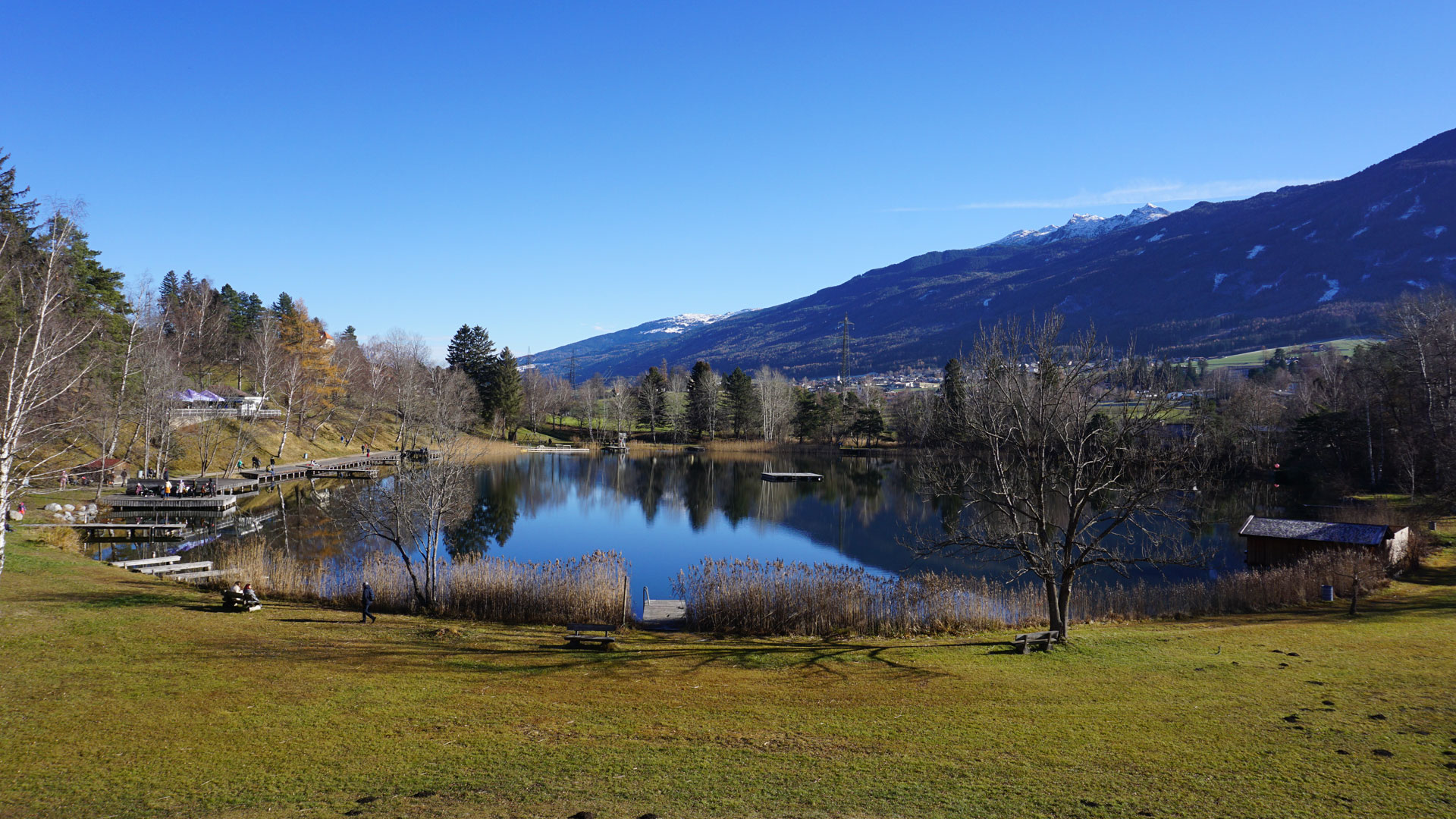
The Alps are an ideal holiday area, especially for families – no matter which part of the region. There is a lot to do, but wellness or culture is not neglected either. Hikers, skiers, cyclists and nature lovers always get their money's worth in the Alps. However, such a holiday must also be well planned. Where do you actually want to go and what activities are planned? What type of accommodation do you want? Sometimes the accommodations are booked up quickly, especially during the main holiday seasons, when tens of tourists from several countries storm into the Alps.
If the vacation is to be financed, vacationers should first calculate well and always plan the loan so that it is paid off in full after twelve months at the latest. Many holiday loans offer the option of special repayment, so that Christmas and holiday bonuses can also be used specifically for repayment. This makes it easier to pay off and ensures that the last instalment may have been paid before the start of the holiday.
Post a Comment for "Checklist Alpine holidays: What you should definitely think about to enjoy the mountains to the fullest"