
How Fuel Economy Ratings Are Tested
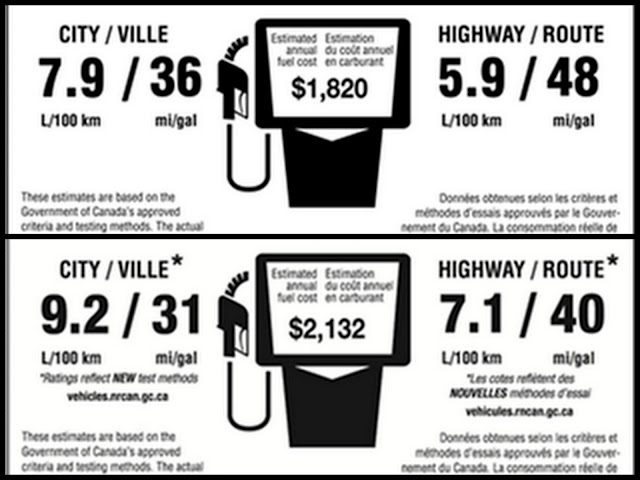
Sticker shock at the pump is something we all want to avoid. You see those MPG numbers on new car window stickers and think, "Great, that's what I'll get!" But then reality hits, and you're nowhere close. Why the disconnect? Understanding how fuel economy ratings are determined can help you bridge that gap and drive more efficiently.
Smart driving and diligent car care are your secret weapons here. Simple things like keeping your tires properly inflated and avoiding jackrabbit starts can drastically improve your gas mileage. It's about understanding the relationship between your driving habits, your car's condition, and the numbers you see on that sticker. Embracing eco-driving isn't just good for your wallet; it's a step towards a greener, more sustainable future. Learning where those fuel economy numbers come from gives you the power to achieve them – or even beat them!
Understanding EPA Fuel Economy Tests
The Environmental Protection Agency (EPA) is the governing body responsible for setting fuel economy standards and providing those MPG ratings we see on new vehicles. But how do they arrive at those numbers? It's not just a matter of driving a car around and seeing what happens. The EPA uses a standardized testing procedure performed in a controlled laboratory setting to ensure consistent and comparable results across different makes and models.
The tests are performed on a dynamometer, also known as a chassis dyno, which is essentially a treadmill for cars. The vehicle is secured to the dyno, and a trained driver (or a robotic driver in some cases) runs pre-defined driving cycles that simulate real-world conditions. These cycles include city driving, highway driving, and even aggressive driving scenarios.
Here’s a closer look at the key testing cycles: City (FTP-75): This simulates stop-and-go traffic and lower speeds, reflecting typical urban driving. It lasts for about 31 minutes, covers 11 miles, and has an average speed of roughly 21 mph with a top speed of 56 mph. Highway (HWFET): This test simulates steady highway speeds. It runs for about 13 minutes, covers 10 miles, averages 48 mph, and reaches a maximum speed of 60 mph. Aggressive Driving (US06): This cycle is designed to simulate rapid acceleration and high-speed driving, accounting for more spirited driving styles. It lasts 10 minutes, covers 8 miles, averages 48 mph, and hits a peak speed of 80 mph. Air Conditioning (SC03): This test evaluates the impact of using the air conditioner on fuel economy. It simulates hot weather conditions and measures the additional fuel consumption needed to power the A/C system.
These tests are performed under strict conditions. The temperature is controlled, the vehicle is warmed up to a consistent operating temperature, and the fuel used is carefully measured. Exhaust emissions are also analyzed to ensure the vehicle meets emissions standards.
The raw data from these tests is then adjusted using a formula developed by the EPA to account for factors like cold starts, air conditioning use, and more aggressive driving habits. This adjusted data is what ultimately appears on the vehicle's window sticker as the official MPG rating.
What affects gas mileage the most?
Several factors influence your gas mileage, and understanding them can help you become a more efficient driver. Some key factors include: Driving Habits: Aggressive acceleration, hard braking, and speeding consume significantly more fuel than smooth, steady driving. Vehicle Maintenance: Poorly maintained vehicles, such as those with underinflated tires, dirty air filters, or worn spark plugs, will experience reduced fuel economy. Traffic Conditions: Stop-and-go traffic is a major fuel killer. Idling burns fuel without covering any distance. Weather Conditions: Extreme temperatures can affect fuel economy. Cold weather, in particular, can reduce MPG due to increased engine friction and the use of the defroster. Vehicle Load: Carrying extra weight in your vehicle reduces fuel economy. Remove unnecessary items from your trunk and back seat. Aerodynamics: Driving at high speeds increases wind resistance, which requires more fuel to overcome. Roof racks and cargo carriers can also negatively impact aerodynamics.
Why Real-World MPG Differs From EPA Ratings
While the EPA tests are standardized, they don't always reflect the exact fuel economy you'll experience in your daily driving. There are several reasons for this discrepancy.
One reason is that the EPA tests are conducted in a controlled laboratory setting, while real-world driving involves a multitude of variables that are difficult to replicate. Factors like weather conditions, road quality, traffic patterns, and individual driving styles can all significantly impact fuel economy.
Another reason is that the EPA adjusts the raw test data to account for some of these real-world factors, but these adjustments are based on averages and may not accurately reflect your specific driving situation. For example, if you primarily drive in stop-and-go traffic or frequently engage in aggressive driving, your fuel economy will likely be lower than the EPA rating.
Furthermore, the EPA tests are designed to simulate typical driving conditions, but they may not accurately represent extreme driving scenarios. For example, driving at very high speeds, towing a trailer, or driving in mountainous terrain can all significantly reduce fuel economy.
Here's a simplified breakdown of factors causing MPG variances: Aggressive Driving: EPA tests include an aggressive driving cycle, but your personal acceleration and braking habits can exceed these parameters. Speed: The highway test tops out at 60 mph. Sustained speeds above that will reduce your mileage. Temperature: The tests are performed under controlled temperatures. Very hot or cold weather reduces MPG. Altitude: Higher altitudes reduce engine power and thus can affect fuel economy, particularly in older vehicles. Road Conditions: Rough or unpaved roads increase rolling resistance and lower MPG. Fuel Quality: Lower-quality fuel can reduce engine efficiency and lower gas mileage. Ethanol Content:Fuels with higher ethanol content generally provide slightly lower MPG.
To bridge the gap between EPA ratings and real-world fuel economy, it's important to understand the factors that influence MPG and adopt eco-driving habits.
Do eco-driving habits really work?
Absolutely! Eco-driving habits can have a significant impact on your fuel economy. By adopting these techniques, you can save money on gas, reduce emissions, and improve your overall driving experience. Some effective eco-driving habits include: Smooth Acceleration and Braking: Avoid rapid acceleration and hard braking. Instead, accelerate smoothly and gradually, and anticipate stops to avoid unnecessary braking. Maintain a Steady Speed: Use cruise control on the highway to maintain a consistent speed and avoid unnecessary fluctuations. Avoid Idling: Idling burns fuel without covering any distance. If you're going to be stopped for more than a minute, turn off your engine. Proper Tire Inflation: Underinflated tires increase rolling resistance and reduce fuel economy. Check your tire pressure regularly and inflate them to the recommended level. Reduce Vehicle Weight: Remove unnecessary items from your vehicle to reduce weight and improve fuel economy. Plan Your Trips: Combine errands into a single trip to reduce the number of cold starts, which consume more fuel. Use Air Conditioning Wisely: Air conditioning consumes fuel. Use it sparingly and only when necessary. Consider using the ventilation system instead when the weather is mild. Regular Maintenance: Keep your vehicle properly maintained with regular oil changes, air filter replacements, and tune-ups. Shift Smart: In manual transmission vehicles, shift at the optimal RPM for fuel efficiency. Anticipate Traffic: By looking ahead and anticipating traffic flow, you can maintain momentum and avoid unnecessary braking and acceleration.
Fuel Economy Tips and Tricks
Beyond eco-driving, several other tips and tricks can help you improve your fuel economy.
First, consider your route. Avoid driving during peak traffic hours whenever possible to minimize stop-and-go driving. Use navigation apps to find the most efficient route and avoid congestion.
Second, pay attention to your vehicle's maintenance schedule. Regular maintenance, such as oil changes, air filter replacements, and spark plug replacements, can keep your engine running efficiently and improve fuel economy.
Third, choose the right fuel for your vehicle. Using the recommended octane fuel can optimize engine performance and improve fuel economy. Consult your owner's manual for guidance.
Fourth, monitor your fuel economy. Use your vehicle's trip computer or a fuel tracking app to monitor your MPG. This will help you identify trends and make adjustments to your driving habits as needed.
Fifth, consider using fuel additives. Some fuel additives claim to improve fuel economy, but it's important to research them carefully and choose reputable products.
Sixth, lighten the load. Remove unnecessary items from your vehicle to reduce weight and improve fuel economy.
Seventh, consider investing in fuel-efficient tires. Low rolling resistance tires can reduce friction and improve fuel economy.
Finally, explore the option of eco-friendly vehicles. Hybrid and electric vehicles offer significantly better fuel economy than traditional gasoline-powered vehicles.
Here are some extra gas mileage hacks: Don't "Top Off" Your Tank: Overfilling can damage your vehicle's vapor recovery system. Warm Up Your Car Efficiently: Avoid excessive idling to warm up your car in cold weather. A short warm-up is sufficient. Close Your Windows: At highway speeds, open windows increase drag and reduce fuel economy. Use the air conditioning instead. Check for Fuel Myths: Be wary of unproven fuel-saving devices or additives. Do your research before investing in anything that sounds too good to be true. Inflate Tires Properly:Check the sticker inside your driver's side door for the correct tire pressure.
How often should I check my tire pressure?
It's recommended to check your tire pressure at least once a month and before any long trips. Tire pressure can fluctuate with temperature changes, so it's best to check it when the tires are cold (before driving). A tire pressure gauge is an inexpensive and essential tool for any car owner. Maintaining proper tire pressure not only improves fuel economy but also enhances safety and extends the life of your tires.
By taking a proactive approach to your driving habits and car maintenance, you can reduce fuel use and save money at the pump.
Next time you’re behind the wheel, remember that every small adjustment to your driving – a gentler acceleration, a more mindful approach to speed – adds up. You have the power to significantly influence your car's fuel efficiency. Take control and drive smarter, one mile at a time.
Post a Comment for "How Fuel Economy Ratings Are Tested"