
What Is Hypermiling and Is It Safe?
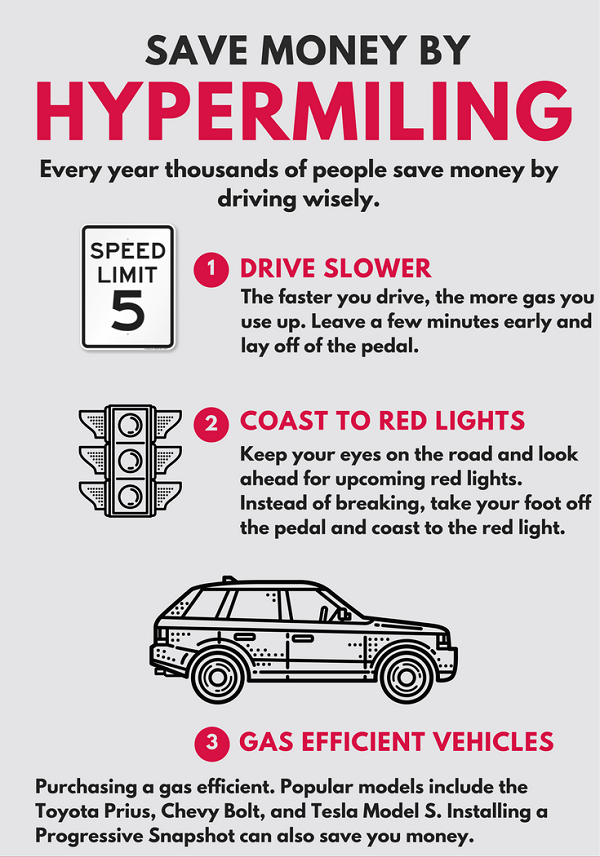
Is your wallet feeling lighter after every trip to the gas station? You're not alone. With fluctuating fuel prices, many drivers are looking for ways to squeeze every last mile out of each gallon. But what if I told you there's a set of techniques, almost a driving philosophy, dedicated to maximizing fuel economy?
That philosophy is called hypermiling, and it's all about optimizing your driving and car maintenance to achieve the best possible gas mileage. From carefully monitoring tire pressure to anticipating traffic flow, hypermiling encourages a mindful approach to driving that can translate into significant savings at the pump. It's about more than just saving money, though; it's about reducing your environmental impact and becoming a more aware and responsible driver.
One of the key components of hypermiling is understanding how seemingly small adjustments, like ensuring your tires are properly inflated, can make a big difference in your car's fuel efficiency. Even simple eco driving habits, like accelerating and braking smoothly, can have a major impact on your MPG. This isn't about radical changes, but rather a series of smart, sustainable driving practices that add up over time. Let’s dive in and explore what hypermiling is all about, and how to do it safely!
What Exactly is Hypermiling?
Hypermiling is a collection of driving techniques used to maximize fuel economy. The goal is to achieve the highest possible miles per gallon (MPG) from a vehicle. It goes beyond simple fuel economy tips and delves into a more comprehensive strategy that considers everything from driving style to vehicle maintenance.
Hypermilers often track their fuel consumption meticulously, analyzing their driving habits and making adjustments to optimize efficiency. This can involve anything from mapping out routes to avoid traffic congestion, to modifying the vehicle (within legal and safe limits) to reduce drag.
The core principle behind hypermiling is to minimize energy waste. This means reducing unnecessary acceleration and braking, maintaining a steady speed, and taking advantage of momentum whenever possible. It's about workingwiththe car and the road to achieve the best possible fuel efficiency.
Do eco-driving habits really work?
Absolutely! Numerous studies and real-world experiences have shown that adopting eco-driving habits can significantly improve fuel economy. Even simple changes like reducing aggressive acceleration and maintaining a steady speed can lead to noticeable savings at the gas pump. The key is consistency and awareness of your driving style. Over time, these small adjustments add up to substantial reductions in fuel consumption.
Is Hypermiling Safe?
This is the most important question to address. While thegoalof hypermiling is admirable, some techniques can be dangerous if not executed responsibly. Safety mustalwaysbe the top priority.
Some extreme hypermiling techniques, such as tailgating large trucks to reduce wind resistance (drafting) or turning off the engine while coasting, are extremely dangerous and should never be attempted. These practices significantly increase the risk of accidents and can damage your vehicle.
Safe hypermiling focuses on optimizing driving techniques within the bounds of traffic laws and safe driving practices. This includes: Maintaining a safe following distance: Always leave enough space between your car and the vehicle in front of you to react safely to sudden stops. Avoiding aggressive driving: Rapid acceleration, hard braking, and weaving through traffic waste fuel and increase the risk of accidents. Staying aware of your surroundings: Pay attention to traffic conditions and anticipate potential hazards. Maintaining your vehicle: Regular maintenance, including tire inflation and fluid checks, is essential for safe and efficient driving.
Hypermiling shouldnevercompromise safety. If a technique feels risky or violates traffic laws, it's not worth the potential fuel savings.
Practical and Safe Hypermiling Techniques
Now that we’ve covered the safety considerations, let’s explore some practical and safe hypermiling techniques that you can incorporate into your driving routine.
1. Tire Care is Key
Proper tire inflation is one of the easiest and most effective ways to improve fuel economy. Underinflated tires increase rolling resistance, which means your engine has to work harder to move the car. Check your tire pressure regularly (at least once a month) and inflate your tires to the manufacturer's recommended pressure, which is usually found on a sticker inside the driver's side doorjamb or in your owner's manual.
Consider using a digital tire pressure gauge for accurate readings. Even a few PSI difference can affect your MPG. And don’t forget to check your spare tire as well!
How often should I check my tire pressure?
Ideally, you should check your tire pressure at least once a month, and before any long trips. Tire pressure can fluctuate with temperature changes, so it’s especially important to check it during seasonal transitions. A good habit is to incorporate tire pressure checks into your monthly car maintenance routine.
2. Smooth Acceleration and Braking
Aggressive acceleration and hard braking waste fuel. Aim for smooth, gradual acceleration and anticipate traffic conditions to avoid unnecessary braking. Coasting to a stop whenever possible allows you to maintain momentum and reduce fuel consumption. Imagine you have a cup of water on your dashboard and try not to spill it!
3. Maintain a Steady Speed
Maintaining a consistent speed is more fuel-efficient than constantly accelerating and decelerating. Use cruise control on highways to maintain a steady speed and reduce driver fatigue. However, be mindful of using cruise control in hilly areas, as it can sometimes lead to unnecessary downshifting and increased fuel consumption.
4. Reduce Aerodynamic Drag
Aerodynamic drag is the force that opposes the motion of your car through the air. You can reduce drag by: Removing unnecessary items from your roof rack: Roof racks and cargo carriers increase drag, especially at highway speeds. Remove them when not in use. Closing windows at high speeds: Open windows increase drag, so close them when driving at highway speeds. Use your car's air conditioning system instead, but use it judiciously, as it does impact fuel economy. Consider aerodynamic modifications:Some aftermarket modifications, such as underbody panels and rear spoilers, can reduce drag, but research them carefully to ensure they are effective and legal.
5. Optimize Your Route and Timing
Plan your routes to avoid traffic congestion and unnecessary stops. Use navigation apps to find the most efficient routes and avoid areas with heavy traffic. Consider traveling during off-peak hours to reduce stop-and-go driving, which can significantly impact fuel economy.
6. Reduce Idle Time
Idling wastes fuel. If you're going to be stopped for more than a minute or two, turn off your engine. Modern cars are designed to restart quickly and efficiently, so you won't damage your engine by turning it off and on frequently. However, be mindful of safety when turning off your engine in traffic.
7. Shed Excess Weight
Extra weight in your vehicle requires more energy to move, which reduces fuel economy. Remove any unnecessary items from your car, such as sports equipment, tools, or other heavy objects. Even small amounts of weight can add up over time.
8. Car Maintenance: The Fuel Efficiency Booster
Regular car maintenance is crucial for fuel efficiency. A well-maintained engine runs more efficiently and consumes less fuel. Be sure to: Change your oil regularly: Use the manufacturer's recommended oil type and change it according to the recommended interval. Replace air filters: A clean air filter allows your engine to breathe easier, improving fuel economy. Maintain your spark plugs: Worn spark plugs can reduce engine efficiency and increase fuel consumption. Check your fluids: Ensure all fluids, including coolant, brake fluid, and transmission fluid, are at the correct levels.
What affects gas mileage the most?
Many factors influence gas mileage, but some of the most significant include driving habits (aggressive acceleration, hard braking, speeding), tire pressure, vehicle maintenance (engine tune-ups, clean air filters), aerodynamic drag (roof racks, open windows), and excess weight in the vehicle. Addressing these factors can lead to noticeable improvements in fuel economy.
Fuel Myths Debunked
Let's clear up some common misconceptions about fuel economy: Myth: Premium fuel improves gas mileage. Reality: Unless your car's manufacturer specifically recommends premium fuel, it won't improve gas mileage. Using regular fuel is perfectly fine and won't harm your engine. Myth: Warming up your engine for a long time is necessary. Reality: Modern engines warm up quickly while driving. Idling for more than a minute or two is unnecessary and wastes fuel. Myth: Driving with the windows down is always less efficient than using the A/C. Reality: At low speeds, driving with the windows down is often more efficient than using the A/C. However, at highway speeds, the aerodynamic drag created by open windows can negate any fuel savings. Myth: Fuel additives improve gas mileage. Reality: Most fuel additives are ineffective and may even harm your engine. Stick to using high-quality fuel from reputable gas stations.
Hypermiling and Eco-Friendly Vehicles
While hypermiling techniques can be applied to any vehicle, they are particularly effective with eco-friendly vehicles such as hybrids and electric cars. These vehicles are designed to be highly fuel-efficient, and hypermiling techniques can further enhance their MPG or MPGe (miles per gallon equivalent).
For example, regenerative braking in hybrid and electric cars allows you to capture energy during deceleration, which can then be used to recharge the battery. By anticipating traffic conditions and coasting to a stop, you can maximize regenerative braking and increase your vehicle's efficiency.
Furthermore, electric cars are particularly sensitive to driving habits and environmental conditions. Aggressive acceleration and high speeds can significantly reduce their range. By adopting hypermiling techniques, you can extend the range of your electric car and reduce your reliance on charging stations.
Remember, the goal of hypermiling is to drive as efficiently as possible while maintaining safety and obeying traffic laws. It's a mindset that encourages you to be more aware of your driving habits and their impact on fuel consumption.
Next time you're behind the wheel, think about one simple change you can make—maybe it's checking your tire pressure or easing up on the accelerator. Every little bit counts. By adopting just a few of these techniques, you'll not only save money at the pump but also contribute to a greener, more sustainable future. Happy (and efficient) driving!
Post a Comment for "What Is Hypermiling and Is It Safe?"