
Can Better Driving Save the Planet Too?
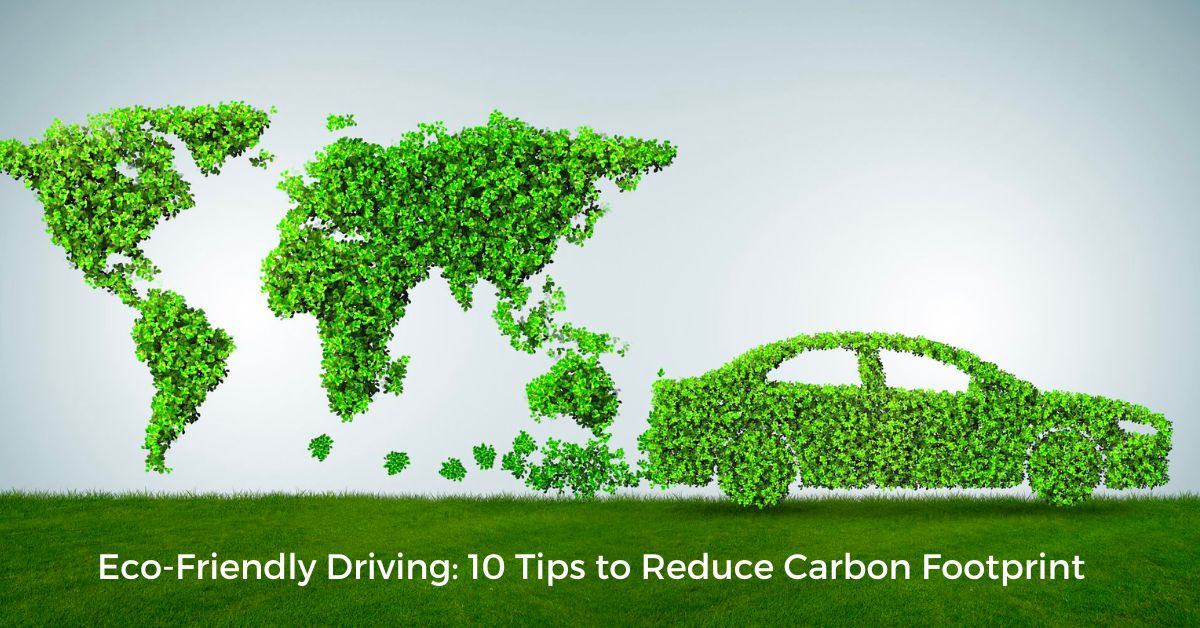
Staring at the gas pump these days can feel like watching your bank account drain away. We all know the pinch of rising fuel costs, and many of us are looking for ways to ease the burden, whether it's for our wallets or the planet. But what if I told you that small changes to your driving habits could make a significant difference, both in saving money and helping the environment?
It might sound too good to be true, but simple adjustments to your driving style and vehicle maintenance routines can lead to noticeable improvements in fuel economy. We’re talking about things like monitoring your tire pressure, being mindful of your speed, and planning your routes to avoid stop-and-go traffic. These aren't just money-saving hacks; they're also steps towards greener, more sustainable driving.
Think of it this way: efficient driving is like giving your car a mini-tune-up every time you get behind the wheel. By consciously implementing eco-driving habits, you're not only optimizing your fuel consumption but also reducing your vehicle's emissions. And the cumulative effect of many drivers adopting these practices can truly make a difference.
Driving Smarter for a Greener Tomorrow
The connection between our driving habits and the environment is undeniable. Every time we accelerate aggressively, brake hard, or idle unnecessarily, we're burning more fuel and releasing more pollutants into the atmosphere. But the good news is that we have the power to change this.
Adopting eco driving habits isn't about making drastic lifestyle changes; it's about making informed choices and developing a more mindful approach to driving. Let's explore some practical tips that can help you reduce your fuel use and minimize your environmental impact, all while saving you money.
What affects gas mileage the most?
Several factors contribute to fuel economy, but some have a more significant impact than others. Here are a few of the biggest culprits: Speed:As speed increases, so does wind resistance, requiring your engine to work harder and consume more fuel. Maintaining a steady speed within the posted limits is crucial for fuel efficiency. Aerodynamic drag increases exponentially with speed.
Acceleration and Braking: Rapid acceleration and hard braking are major fuel guzzlers. Gradual acceleration and anticipating traffic flow to avoid sudden stops can significantly improve your mpg.
Tire Pressure: Underinflated tires increase rolling resistance, forcing your engine to work harder. Regular tire care is essential for optimal fuel economy and safety.
Vehicle Maintenance: A poorly maintained engine, dirty air filter, or worn-out spark plugs can all negatively impact fuel efficiency. Following your vehicle's maintenance schedule is vital.
Idling: Idling for extended periods wastes fuel and emits pollutants. If you're going to be stopped for more than a minute, it's generally more fuel-efficient to turn off your engine.
Air Conditioning: Using the air conditioner can significantly reduce fuel economy, especially at lower speeds. When possible, opt for ventilation or use the AC sparingly.
Fuel Economy Tips You Can Use Today
Now, let's get into the specifics of how you can improve your driving habits and maximize fuel efficiency. These gas mileage hacks are easy to implement and can lead to noticeable savings over time.
Maintain Optimal Tire Pressure: Check your tire pressure regularly (at least once a month) and inflate your tires to the recommended level, which can be found on the sticker inside your driver's side door or in your owner's manual. Properly inflated tires reduce rolling resistance and improve fuel economy. This is arguably the most important and most often overlooked aspect of car maintenance that affects your mpg.
Drive at a Steady Speed: Avoid sudden acceleration and braking. Maintain a consistent speed and anticipate traffic flow to minimize unnecessary speed changes. Using cruise control on the highway can help maintain a steady speed and improve fuel economy.
Plan Your Routes: Before you head out, take a look at your route and identify potential traffic bottlenecks. Choosing routes with fewer stops and less congestion can save you fuel and time. Navigation apps can help you find the most efficient routes in real-time.
Minimize Idling: If you're going to be stopped for more than a minute, turn off your engine. Modern engines are designed to be restarted easily, and restarting consumes less fuel than idling.
Lighten Your Load: Remove any unnecessary items from your vehicle. Extra weight increases fuel consumption, so carrying only what you need can make a difference.
Use Air Conditioning Wisely: Use the air conditioner sparingly, especially at lower speeds. When possible, opt for ventilation or use the AC only when necessary. Using the AC at highway speeds is actually more efficient than driving with the windows down, due to the aerodynamic drag created by open windows.
Keep Your Vehicle Maintained: Follow your vehicle's maintenance schedule and address any issues promptly. A well-maintained engine runs more efficiently and consumes less fuel. Regular oil changes, air filter replacements, and tune-ups are essential.
Consider Eco-Friendly Vehicles: If you're in the market for a new car, consider choosing an eco-friendly vehicle, such as a hybrid or electric car. These vehicles are designed to maximize fuel efficiency and minimize emissions.
Do eco-driving habits really work?
Absolutely! Numerous studies and real-world examples have shown that adopting eco-driving habits can lead to significant improvements in fuel economy. While the exact percentage varies depending on individual driving styles and vehicle types, drivers who implement these techniques often see a 10-25% improvement in their mpg.
The key is consistency. Implementing these habits regularly, rather than just occasionally, is what leads to the most significant savings. And remember, even small improvements can add up over time.
Debunking Common Fuel Myths
There are many misconceptions about fuel economy, and separating fact from fiction can help you make more informed decisions. Let's debunk a few common fuel myths: Myth: Premium gas improves fuel economy. Fact: Unless your vehicle specifically requires premium gas, using it won't improve fuel economy. Most vehicles are designed to run on regular unleaded fuel, and using premium gas won't provide any additional benefits.
Myth: Warming up your engine before driving improves fuel economy. Fact: Modern engines don't require extensive warm-up periods. In fact, idling to warm up your engine wastes fuel. It's generally best to start driving gently after a short warm-up period.
Myth: Driving with the windows down is more fuel-efficient than using air conditioning. Fact: At highway speeds, driving with the windows down creates aerodynamic drag, which can actually reduce fuel economy more than using the air conditioner. At lower speeds, however, driving with the windows down is generally more fuel-efficient.
Myth: Aftermarket fuel additives improve fuel economy. Fact: Most aftermarket fuel additives provide little to no benefit in terms of fuel economy. Some may even damage your engine. It's generally best to avoid using these additives unless recommended by your vehicle manufacturer.
How often should I check my tire pressure?
Ideally, you should check your tire pressure at least once a month, as well as before any long trips. Tire pressure can fluctuate with temperature changes, so it's important to check it regularly to ensure your tires are properly inflated. A simple tire pressure gauge is an inexpensive and essential tool for any driver.
Commute Efficiency: Mastering Traffic & Fuel Impact
Beyond individual driving habits, optimizing your commute can also significantly impact fuel economy. Consider these strategies to improve your commute efficiency: Avoid Peak Traffic Hours:If possible, adjust your commute time to avoid peak traffic hours. Driving during less congested periods can save you fuel and reduce stress. Even shifting your commute by 30 minutes can make a big difference.
Carpool or Use Public Transportation: Carpooling with colleagues or using public transportation can reduce the number of vehicles on the road, which can alleviate traffic congestion and improve air quality.
Work From Home: If your job allows, consider working from home a few days a week. This can eliminate your commute altogether and save you a significant amount of fuel.
Combine Errands: Plan your errands strategically to minimize driving distance and avoid unnecessary trips. Combining multiple errands into a single trip can save you time and fuel.
By taking a proactive approach to your commute, you can reduce your fuel consumption and contribute to a more sustainable transportation system.
The beauty of eco-driving is that it's not an all-or-nothing proposition. Every small change you make contributes to a larger effort to reduce fuel use and protect the environment. Start by focusing on one or two tips that resonate with you, and gradually incorporate more eco-driving habits into your routine. You might be surprised at how much of an impact you can make, both on your wallet and the planet. Next time you're behind the wheel, remember that even the simplest choices can pave the way for a greener, more sustainable future.
Post a Comment for "Can Better Driving Save the Planet Too?"