
How Fuel Efficiency Helps Your Car Last Longer
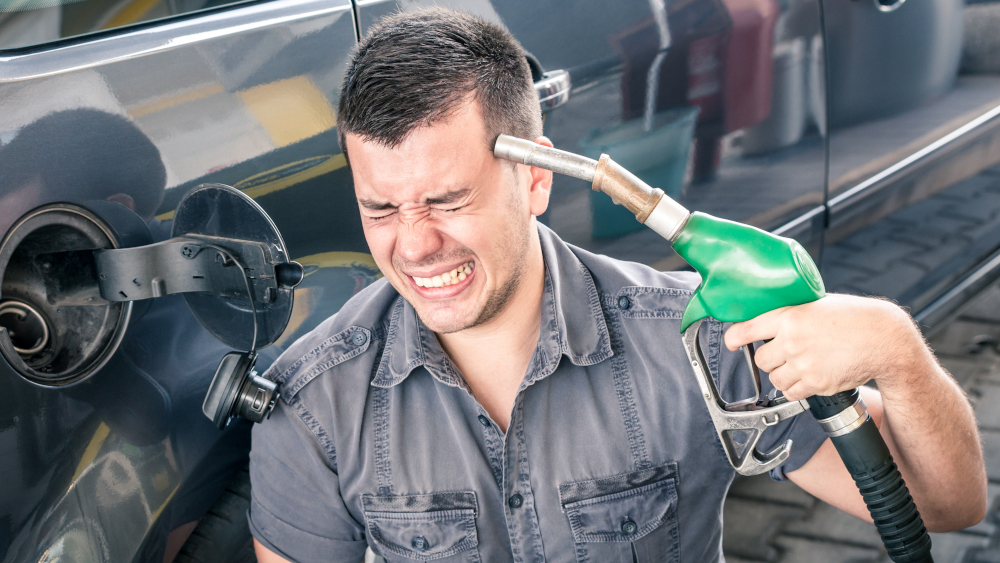
Is your wallet feeling lighter after every trip to the gas station? You're not alone. With fluctuating fuel prices, many of us are looking for ways to stretch our dollars and get the most out of every gallon. But what if I told you that improving your fuel efficiency isn't just about saving money? It's also about extending the life of your car.
Think of it this way: smart driving and consistent car care go hand in hand. Optimizing your gas mileage often means adopting smoother, more consistent driving habits. And these habits, along with proactive maintenance, are kinder to your car's engine, transmission, and other vital components. Making small changes to the way you drive and care for your car can lead to bigger savings down the road. You might be surprised at how much you can save by simply adjusting your driving style and sticking to a regular maintenance schedule.
That's where eco-driving comes in. It's about making conscious choices that not only reduce your fuel consumption but also minimize wear and tear on your vehicle. And the best part? Many of these choices are simple and easy to implement. By focusing on fuel economy, you are also taking a step towards a longer, healthier life for your car.
Fuel Efficiency and Longevity: A Winning Combination
The connection between fuel efficiency and car longevity might not be immediately obvious, but it’s a strong one. Improving your MPG involves adopting driving habits and maintenance practices that ultimately reduce stress on your vehicle’s systems. Let's break down how these factors work together to keep your car running smoothly for years to come.
What affects gas mileage the most?
Several factors can significantly impact your gas mileage. Let's look at a few: Aggressive driving: Rapid acceleration and hard braking are fuel guzzlers. They force your engine to work harder and consume more fuel than necessary. Smooth, gradual acceleration and gentle braking, on the other hand, contribute to better fuel economy. Speed: As your speed increases, so does wind resistance, requiring more power to maintain your velocity. The sweet spot for most cars is typically between 50 and 60 mph on the highway. Exceeding this range dramatically reduces fuel efficiency. Tire pressure: Underinflated tires create more rolling resistance, forcing your engine to work harder. Regularly checking and maintaining the correct tire pressure (found on the sticker inside your driver's side door or in your owner's manual) is a simple way to improve your MPG. Car maintenance: A poorly maintained engine, clogged air filter, or worn spark plugs can all negatively impact fuel efficiency. Regular tune-ups and timely replacements of worn parts are essential for optimal performance. Excess weight: Carrying unnecessary items in your car adds weight, which in turn requires more fuel to move the vehicle. Decluttering your trunk and removing roof racks when not in use can make a noticeable difference. Idling: Letting your car idle for extended periods wastes fuel. If you're going to be stopped for more than a minute or two, it's generally more fuel-efficient to turn off the engine. Modern engines are designed to restart easily, and the fuel savings can add up over time. Aerodynamics:External factors like wind resistance play a huge role at higher speeds. Keeping windows up and avoiding unnecessary roof racks improves airflow, reducing fuel use.
By addressing these factors, you can significantly improve your fuel economy and reduce the strain on your car's engine and other components. And remember, these improvements don't just save you money at the pump; they also contribute to a longer lifespan for your vehicle.
Eco-Driving Habits for a Healthier Car
Eco-driving isn't just a trend; it's a set of techniques designed to minimize fuel consumption and reduce emissions. But beyond the environmental benefits, these habits also contribute to the longevity of your car. Here are some practical eco-driving habits that can make a real difference.
Smooth Acceleration and Braking: As mentioned earlier, avoid sudden acceleration and hard braking. These actions put unnecessary stress on your engine, transmission, and brakes. Instead, accelerate smoothly and gradually, and anticipate stops so you can brake gently. Maintain a Steady Speed: Use cruise control on the highway to maintain a consistent speed. This helps to optimize fuel consumption and avoid unnecessary fluctuations in engine RPM. Anticipate Traffic Flow: Pay attention to traffic ahead and anticipate changes in speed. By anticipating stops and slowdowns, you can avoid unnecessary braking and acceleration, saving fuel and reducing wear and tear. Reduce Idling: As mentioned, excessive idling wastes fuel. If you're going to be stopped for more than a minute or two, turn off your engine. Modern cars are designed to restart easily and efficiently. Combine Errands: Plan your trips to combine multiple errands into a single outing. This reduces the number of cold starts, which are less fuel-efficient than driving with a warmed-up engine. Use Overdrive Gears: Make sure your car is using its highest gear (overdrive) when appropriate. This allows the engine to run at lower RPMs, which saves fuel and reduces engine wear. Avoid High Speeds: As speed increases, so does wind resistance, requiring more power and fuel to maintain your velocity. Stick to the speed limit and avoid excessive speeds to improve fuel efficiency. Proper Gear Use (Manual Transmissions): If you drive a manual, learn the optimal shift points for your car. Shifting too early or too late can waste fuel. Aim for smooth, efficient shifts that keep the engine in its most efficient RPM range.
Do eco-driving habits really work?
Absolutely! Studies and real-world experience have consistently shown that eco-driving habits can significantly improve fuel economy. The specific savings will vary depending on your driving style, the type of vehicle you drive, and the conditions in which you drive, but it's not uncommon to see a 10-20% improvement in MPG by adopting these techniques. Beyond the measurable MPG boost, eco-driving reduces stress on your car's components, leading to fewer repairs and a longer lifespan. It's a win-win.
The Role of Car Maintenance in Fuel Efficiency and Longevity
While driving habits play a crucial role, proper car maintenance is equally important for optimizing fuel efficiency and extending the life of your vehicle. Neglecting routine maintenance can lead to reduced MPG, increased wear and tear, and ultimately, a shorter lifespan for your car.
Regular Oil Changes: Clean oil is essential for lubricating engine components and reducing friction. Dirty or old oil can cause increased friction, leading to reduced fuel efficiency and potential engine damage. Follow your manufacturer's recommended oil change intervals. Air Filter Replacement: A clogged air filter restricts airflow to the engine, forcing it to work harder and consume more fuel. Replace your air filter according to the manufacturer's recommendations. Spark Plug Replacement: Worn spark plugs can misfire, leading to incomplete combustion and reduced fuel efficiency. Replace your spark plugs at the recommended intervals. Tire Maintenance: As mentioned earlier, maintaining proper tire pressure reduces rolling resistance and improves fuel economy. Also, make sure your tires are properly aligned and balanced to prevent uneven wear and tear. Fluid Checks: Regularly check and top off all fluids, including coolant, brake fluid, power steering fluid, and transmission fluid. These fluids are essential for the proper functioning of your car's systems. Brake Maintenance: Properly functioning brakes are essential for safety and fuel efficiency. Worn brake pads or rotors can create drag, reducing MPG. Have your brakes inspected regularly and replaced as needed. Regular Tune-Ups: A regular tune-up can help to identify and address any potential problems before they become major issues. This can help to optimize fuel efficiency and prevent costly repairs down the road. Address Issues Promptly: Don't ignore warning lights or unusual noises. Addressing small problems early can prevent them from escalating into major, expensive repairs.
How often should I check my tire pressure?
It's a good idea to check your tire pressure at least once a month, and ideally before any long trips. Tire pressure changes with temperature, so it's best to check it when the tires are cold (before you've driven the car). A simple tire pressure gauge is inexpensive and easy to use. Consult the sticker inside your driver's side door or your owner's manual for the recommended tire pressure for your vehicle.
Fuel Myths Debunked
Let’s clear up some common misconceptions about fuel efficiency. Separating fact from fiction can help you make better decisions about how you drive and maintain your car.
Myth #1: Premium gas improves fuel economy in all cars. Fact: Premium gas is designed for cars with high-compression engines that require higher octane fuel to prevent knocking. Unless your car's manufacturer specifically recommends premium fuel, using it won't improve your MPG.
Myth #2: Warming up your car for a long time is necessary, especially in cold weather. Fact: Modern cars don't need extended warm-up times. A minute or two is usually sufficient. Idling for longer periods wastes fuel and contributes to unnecessary emissions.
Myth #3: Aftermarket gadgets can dramatically improve fuel economy. Fact: Be wary of aftermarket gadgets that promise unrealistic fuel savings. Many of these devices are ineffective and some can even damage your car. Stick to proven eco-driving habits and proper maintenance.
Myth #4: Driving with the windows down is always less fuel-efficient than using the AC. Fact: At lower speeds, driving with the windows down can be more fuel-efficient than using the AC. However, at highway speeds, the aerodynamic drag created by open windows can negate any fuel savings.
Myth #5: Fuel additives will magically boost my MPG. Fact: While some fuel additives can help to clean fuel injectors and improve engine performance, they are unlikely to produce significant gains in fuel economy. Focus on good driving habits and regular maintenance instead.
Traffic & Fuel Impact
Navigating traffic jams is a universal frustration, and it's not just a drain on your time – it significantly impacts your fuel efficiency. Stop-and-go traffic forces your engine to constantly accelerate and decelerate, consuming far more fuel than maintaining a steady speed.
Plan Your Route: Use navigation apps to find the quickest route and avoid congested areas. Even a slightly longer route with less traffic can save you time and fuel. Drive During Off-Peak Hours: If possible, adjust your schedule to avoid rush hour traffic. Commuting during off-peak hours can significantly improve your fuel economy. Maintain a Safe Following Distance: Avoid tailgating in traffic. Maintaining a safe following distance allows you to anticipate slowdowns and avoid unnecessary braking and acceleration. Use Public Transportation or Carpool: Consider using public transportation or carpooling to reduce the number of cars on the road and improve traffic flow. Be Patient:Frustration can lead to aggressive driving, which wastes fuel. Stay calm and patient in traffic, and avoid unnecessary lane changes or speeding.
By understanding how traffic impacts fuel consumption and adopting strategies to minimize your time in congested areas, you can save money and reduce the wear and tear on your car.
So, what's the key takeaway? Remember that driving style, car maintenance, and smart route planning all work together to boost fuel efficiency and extend the life of your car. Next time you're behind the wheel, think about how small changes in your driving habits can make a big difference – not just for your wallet, but for the longevity of your ride.
Post a Comment for "How Fuel Efficiency Helps Your Car Last Longer"